When the Tides Align: Witnessing the Rituals of Horseshoe Crabs
You’ve seen them, I’m sure.
Most likely dead or injured, unfortunately.
Or perhaps, designed in their likeness, hanging in bronze on a coastal front door.
But to see them alive…
And thriving…
Multiplying...
That, you must make the time to see.
Come with me over the western bridges. Beside my adopted coastal grandmother — a seasoned nature volunteer — we journey toward the bayside edge of the Cape May Peninsula, bound for the Water Gap.
What takes only fifteen minutes to arrive, delivered us to a completely changed coastal scene. Instead of Wildwood’s long sandy flats, the waves were mere yards from the street. Now surrounded by tall reeds and grasses filled with flies, I felt simple for having not been here before. There was a stillness on the bayside; it was well protected by the peninsula and, I assumed, the beautiful sunsets.
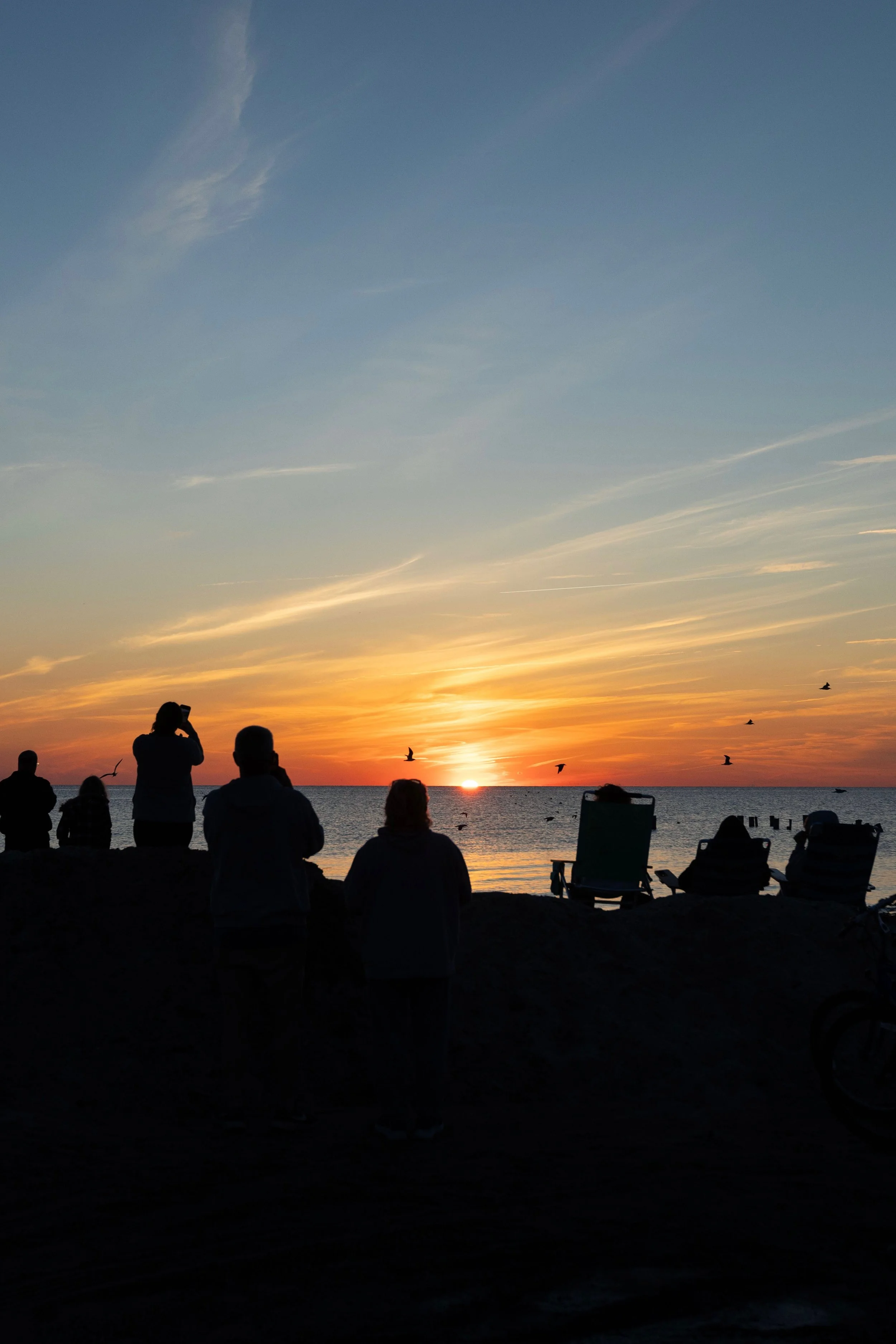
On arrival, we met a gathering of people standing in galoshes, windbreakers, and the requested red-light headlamps. Red light is kinder for the crabs.
Matching the new moon or full moon from May to June, we were here to meet them; witness them; count them; tag them.
The horseshoe crabs.
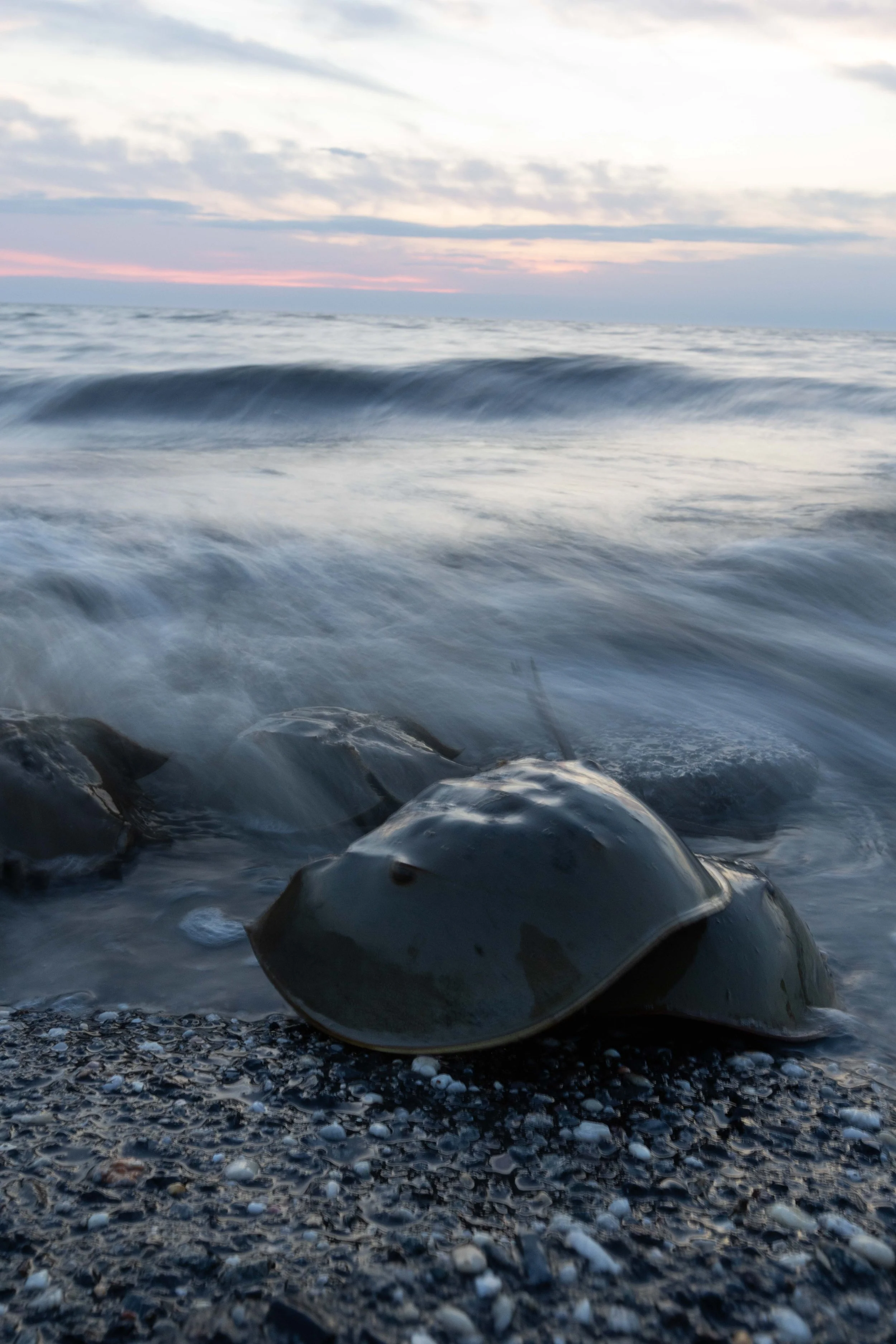
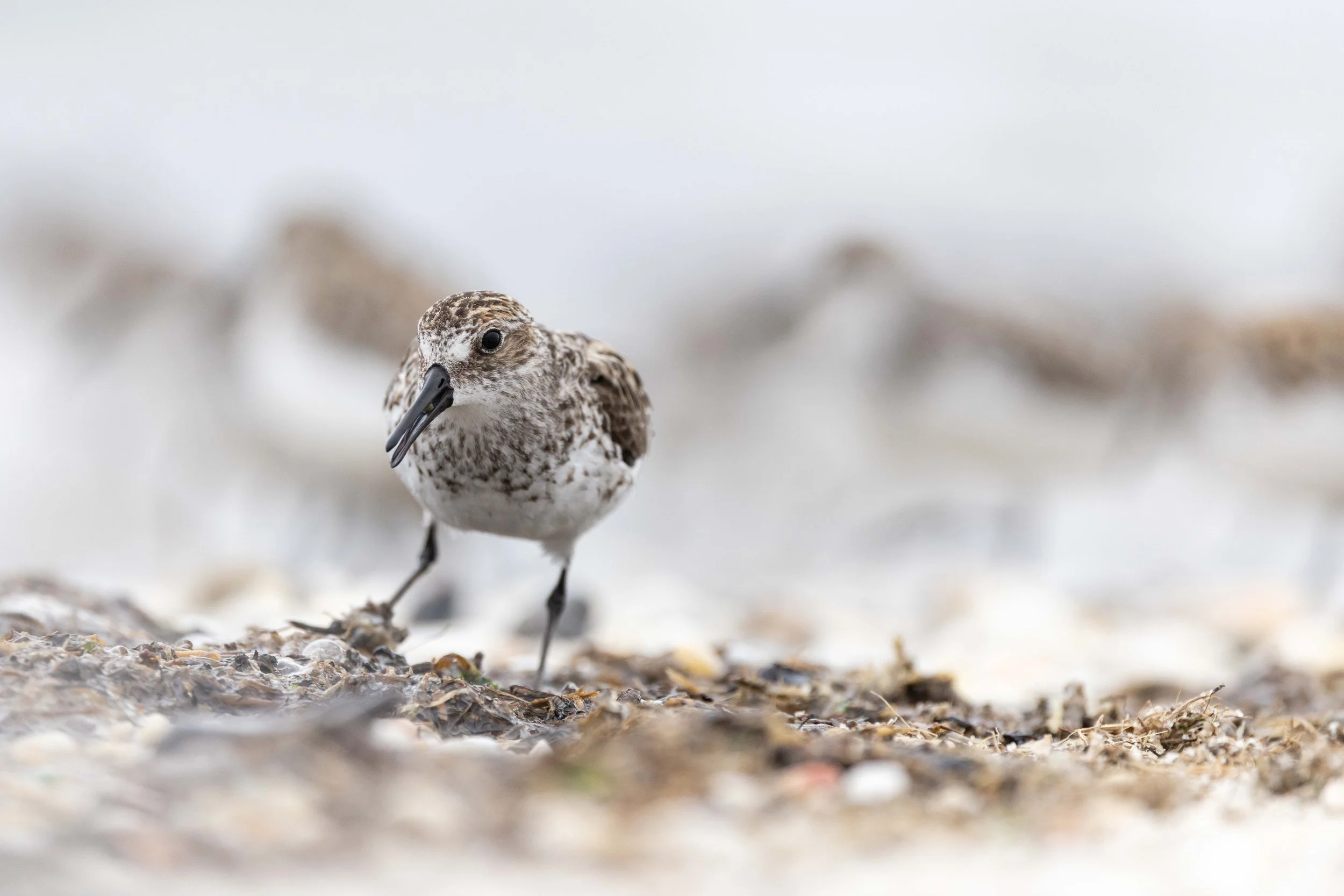
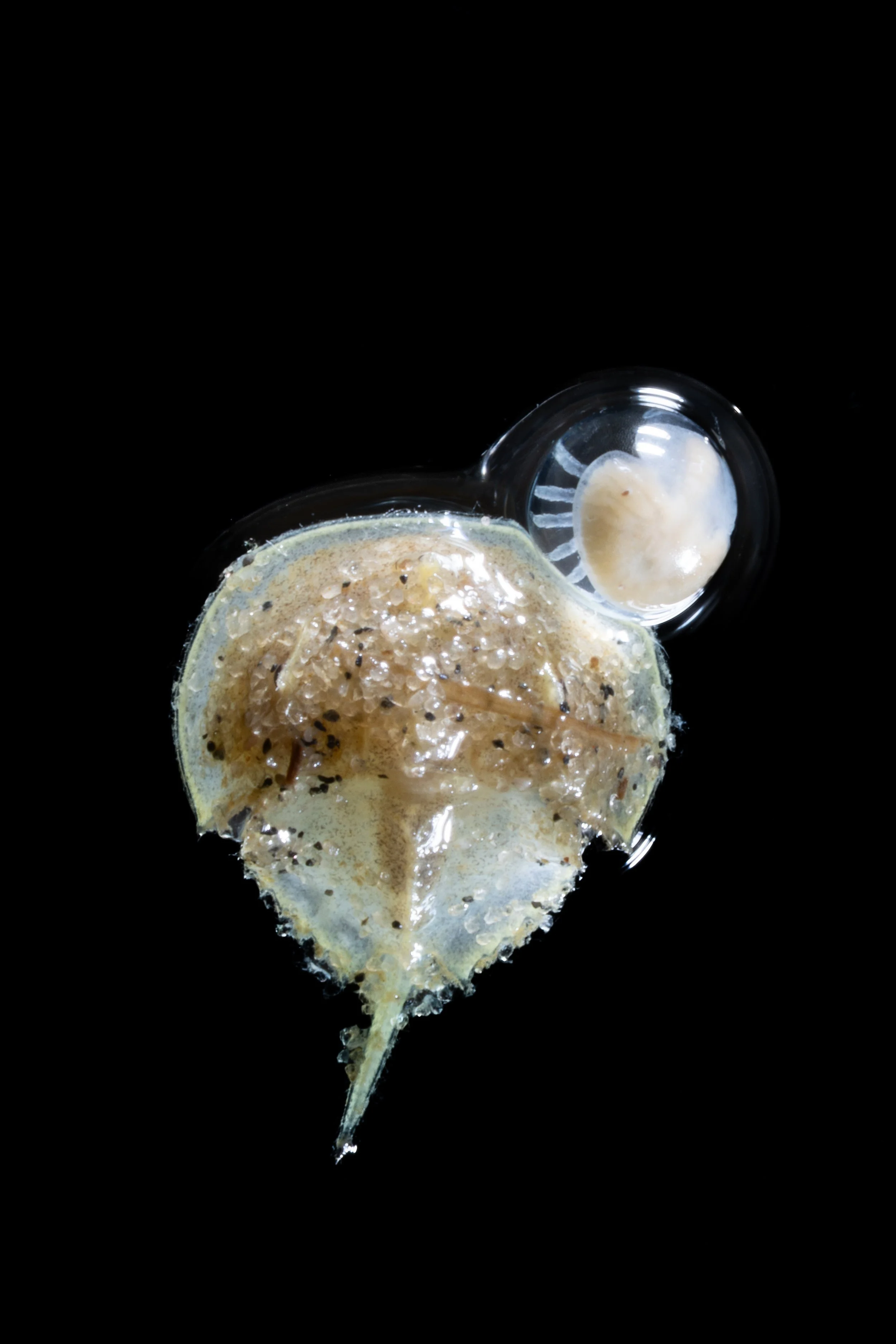
These ancient crabs have made this unique waterway their breeding ground for close to 300 million years. That amount of time, is incomprehensible.
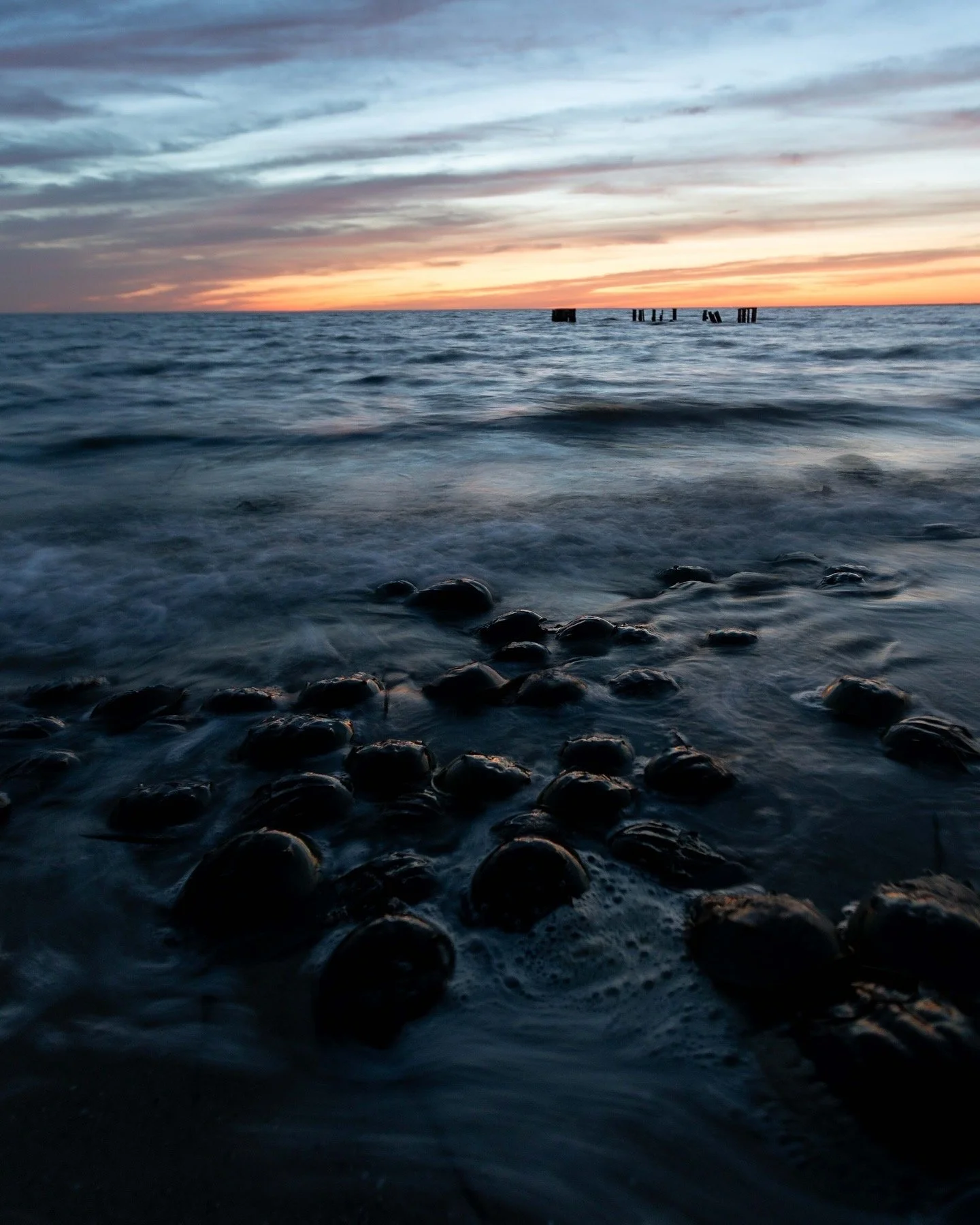
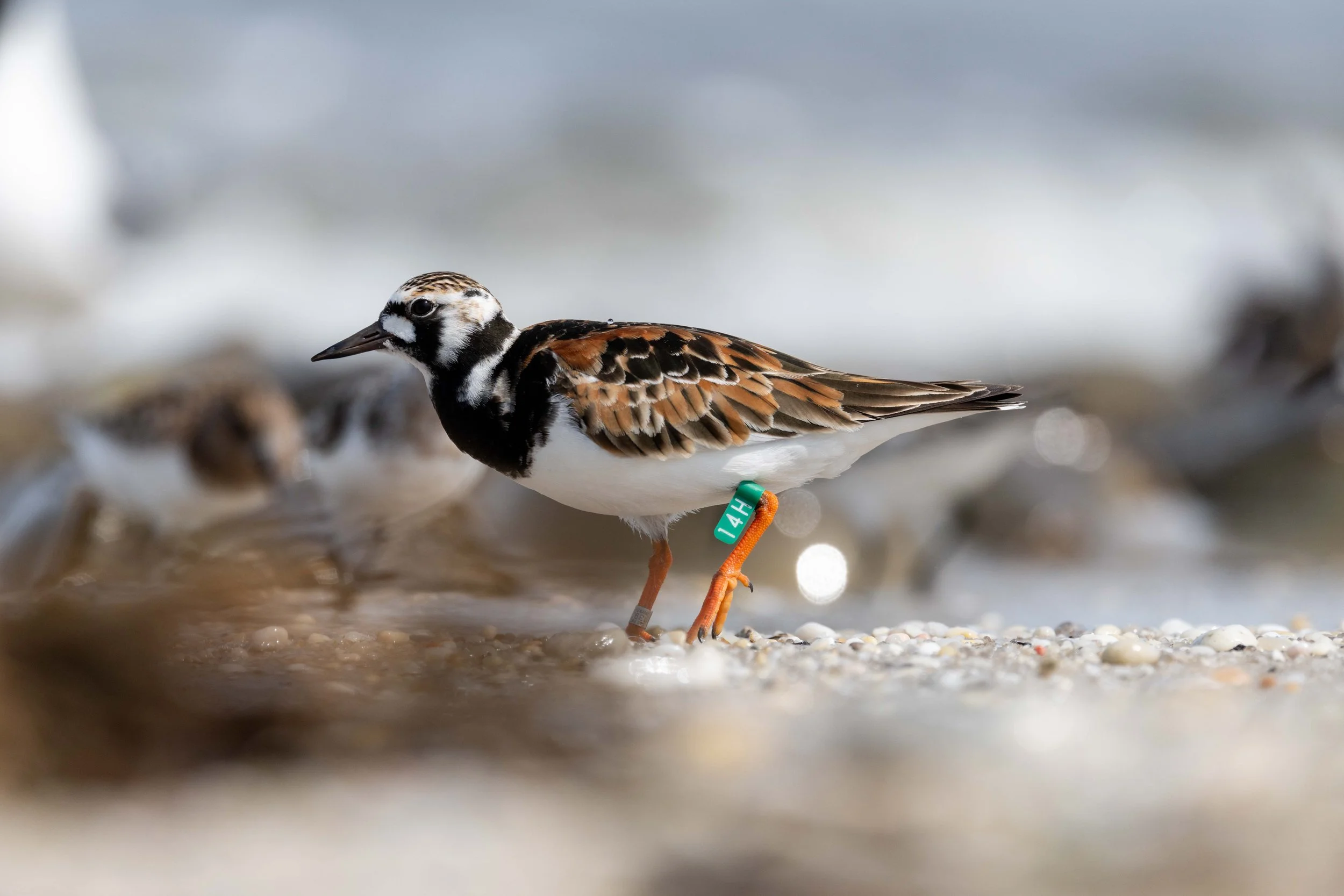
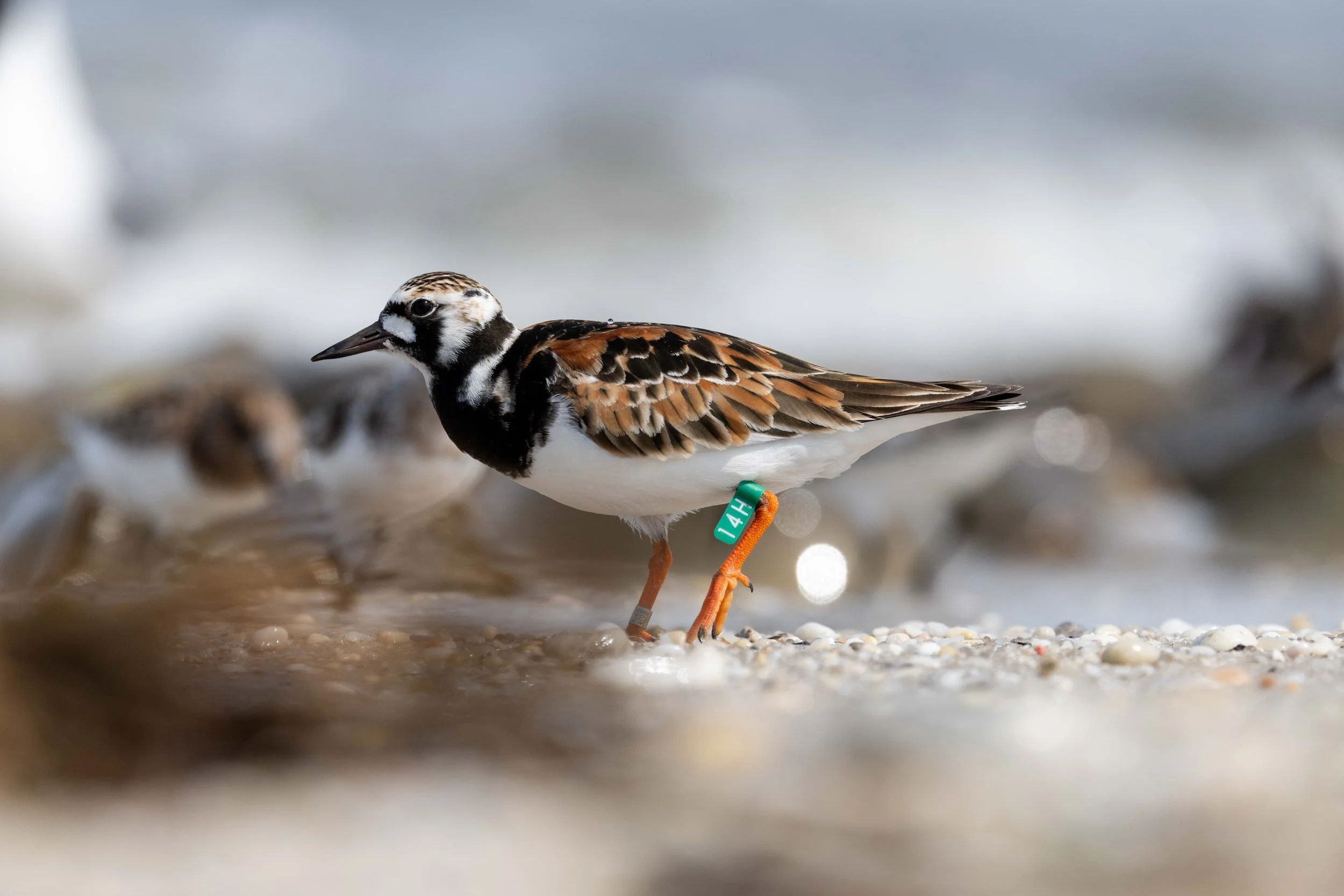
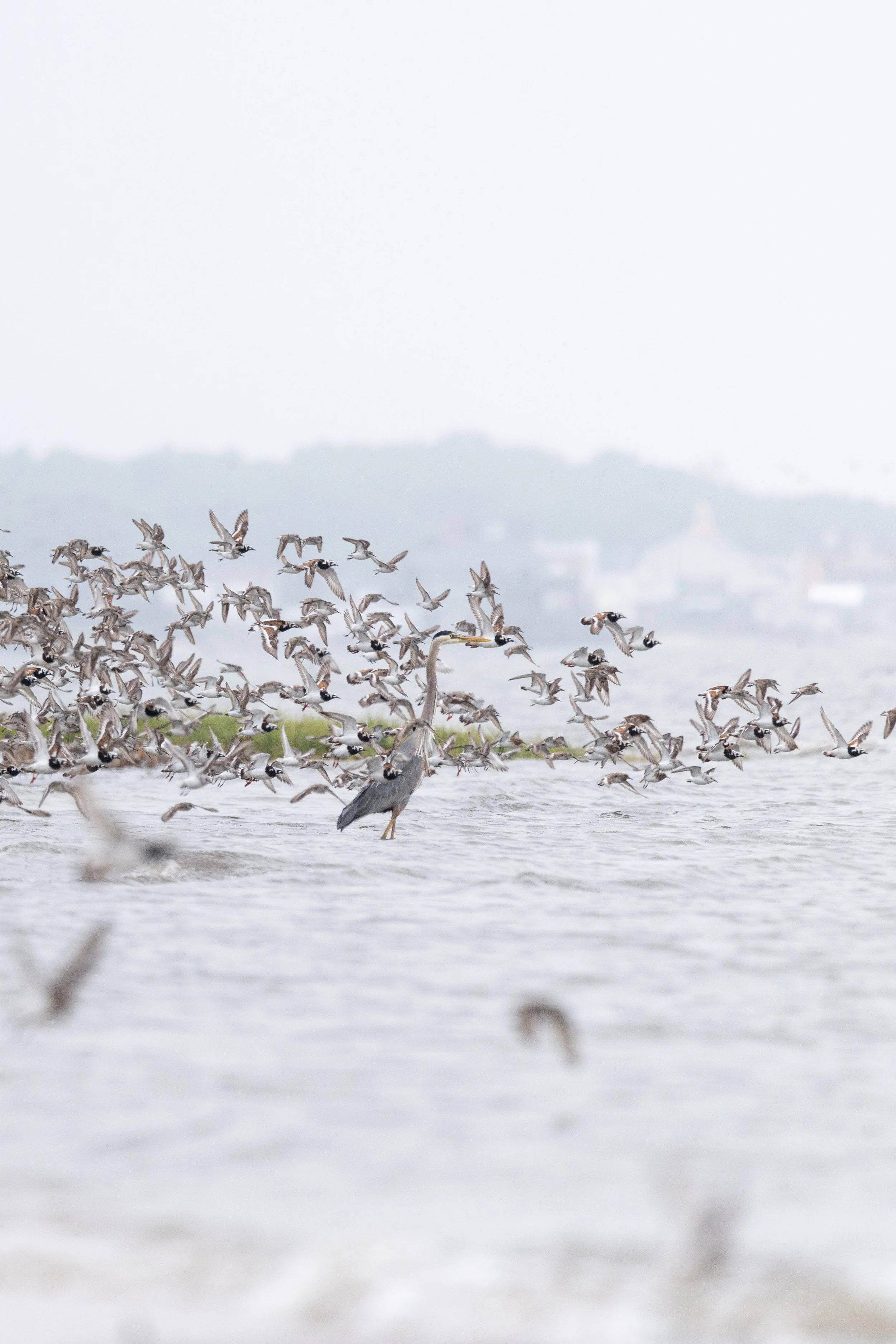
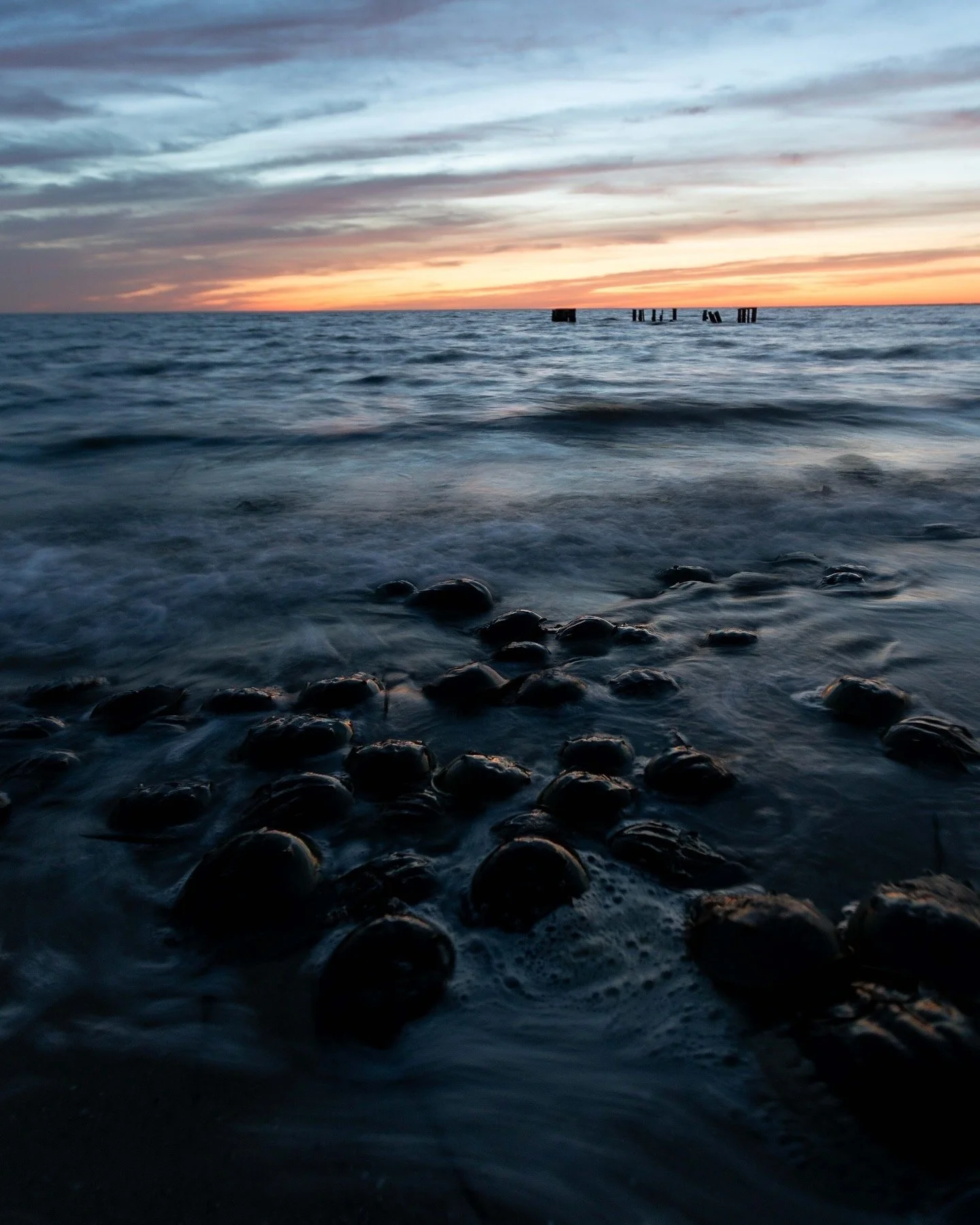
Photo courtesy of Susan Allen, Conservation Photographer @what.sue.seas
The group of volunteers had been given instructions, a drill, and a notepad while patiently watching for the tide to turn. I didn’t believe them at first; that we would be inundated with crabs. I couldn’t see any among the tide that clung to the dune, which left us no walking beach to search.
Now however, I understand. That like the crabs, the tide was waiting. The sun lessened its power, dropping low in the sky. My vision played tricks on me; I imagined I could see the opposite shoreline, or a boat in the deepening colors. No wonder, I thought, that sailors believed in monsters and sea gods; the mind fills in gaps of assuredness with elaborate and resilient thoughts. Like sea moss, stories can grow anywhere.
I unfolded my collar to its full height just as we lost the light.
Headlamps clicked on.
Suddenly, like something out of a ghost tale, a weight filled the beach around us. In contrast to that palpable change, something subtle started to appear under the dark water; barely perceptible shadows among the retreating water. I squinted to see between the lapping layers and the stony, grainy sand. A presence, a sensation of fullness, began to push up from my core toward my throat; rising rather than descending. I heard my mind label this internal recognition as the mother.
Between the surrendering of the sun and the initiation of an ancient mating ritual, this potent magic of “in between” predated my understanding of God and his church. Only a she could have orchestrated this; this perfection of arrivals.
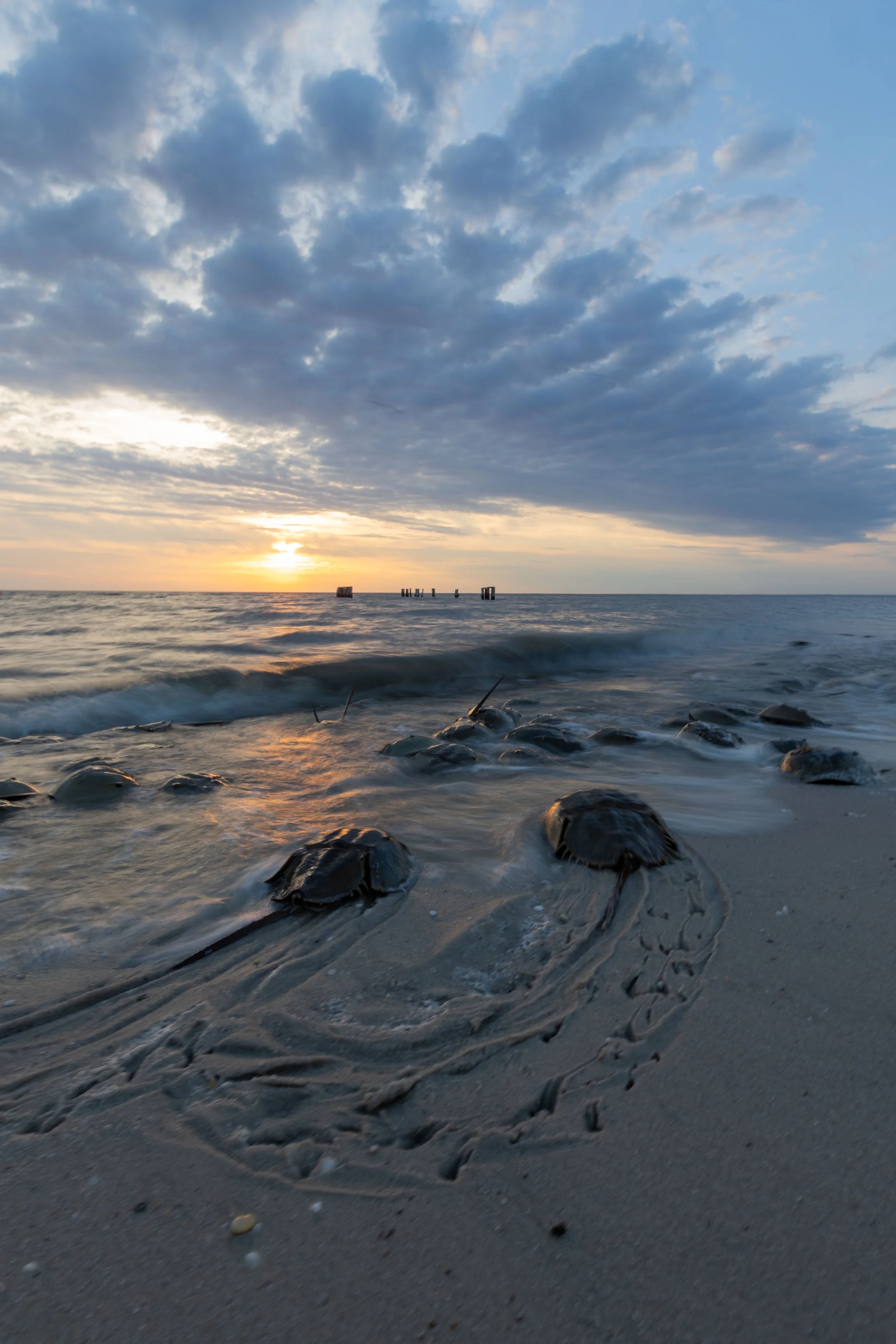
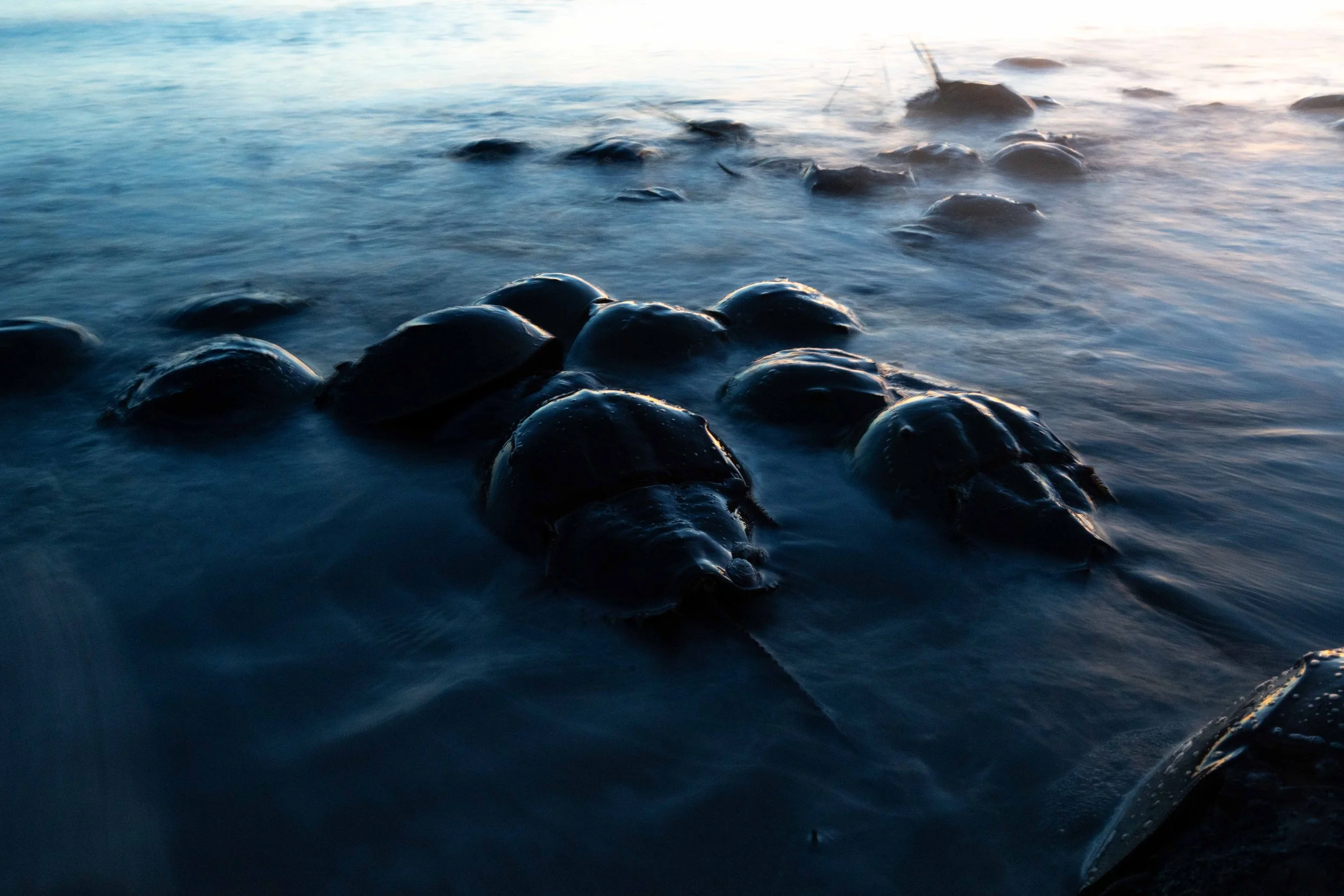
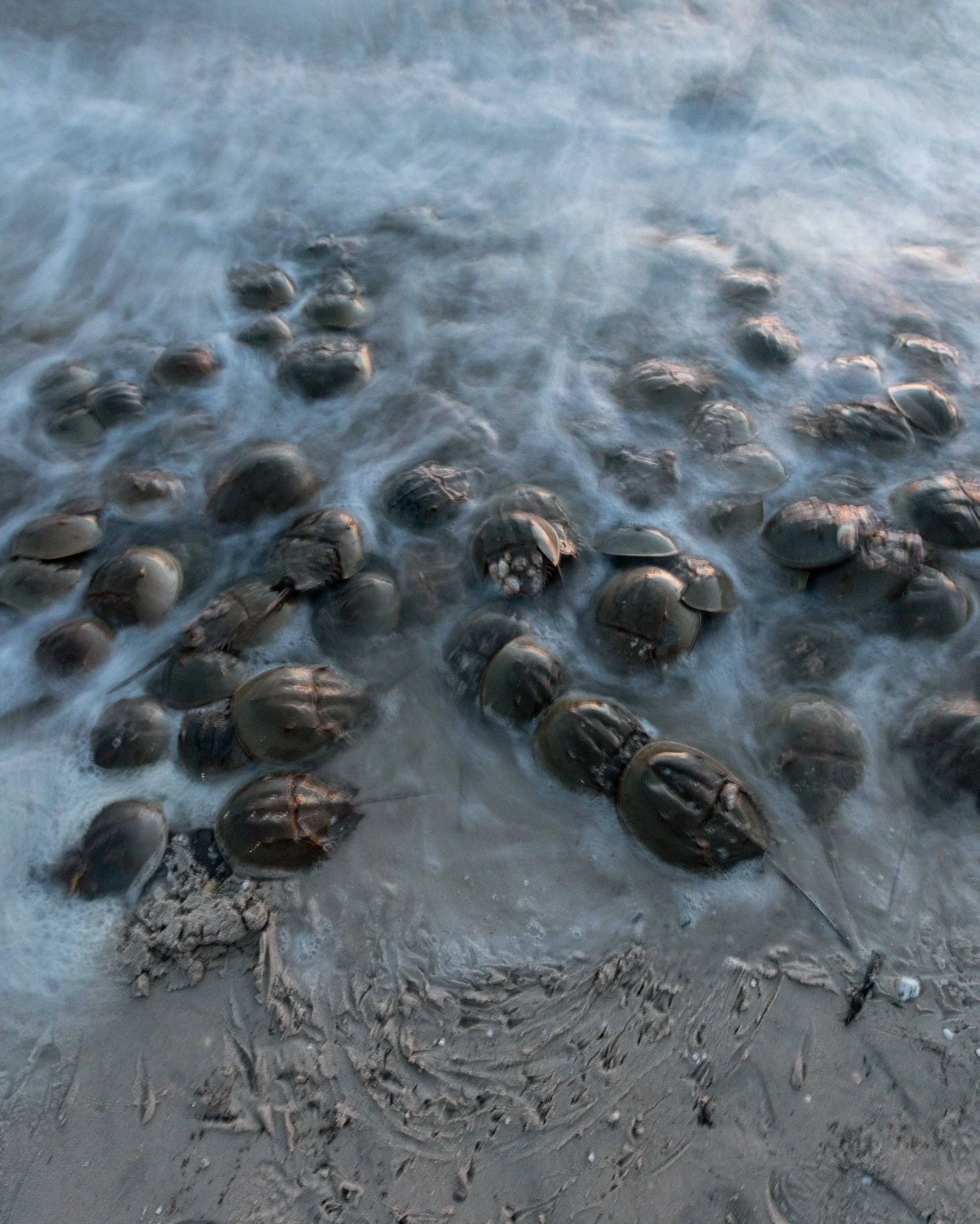
Finally, just moments after the darkness had won and the tide unfurled, they were there. Dark circles upon circles lined the sand just inches underneath the surface. They had been there the entire time, clinging to the sloping sand, waiting for space to gather above ground. Though they must have be exhausted from travelling, the real work was about to begin. A frenzy of digging, crawling, mounting, fighting, latching, and procreating was about to ensue. I was apprehensive to walk in the sand that had so quickly become crab-less; the meter of exposed beach that stretched for miles had no vacancy for clumsy feet.
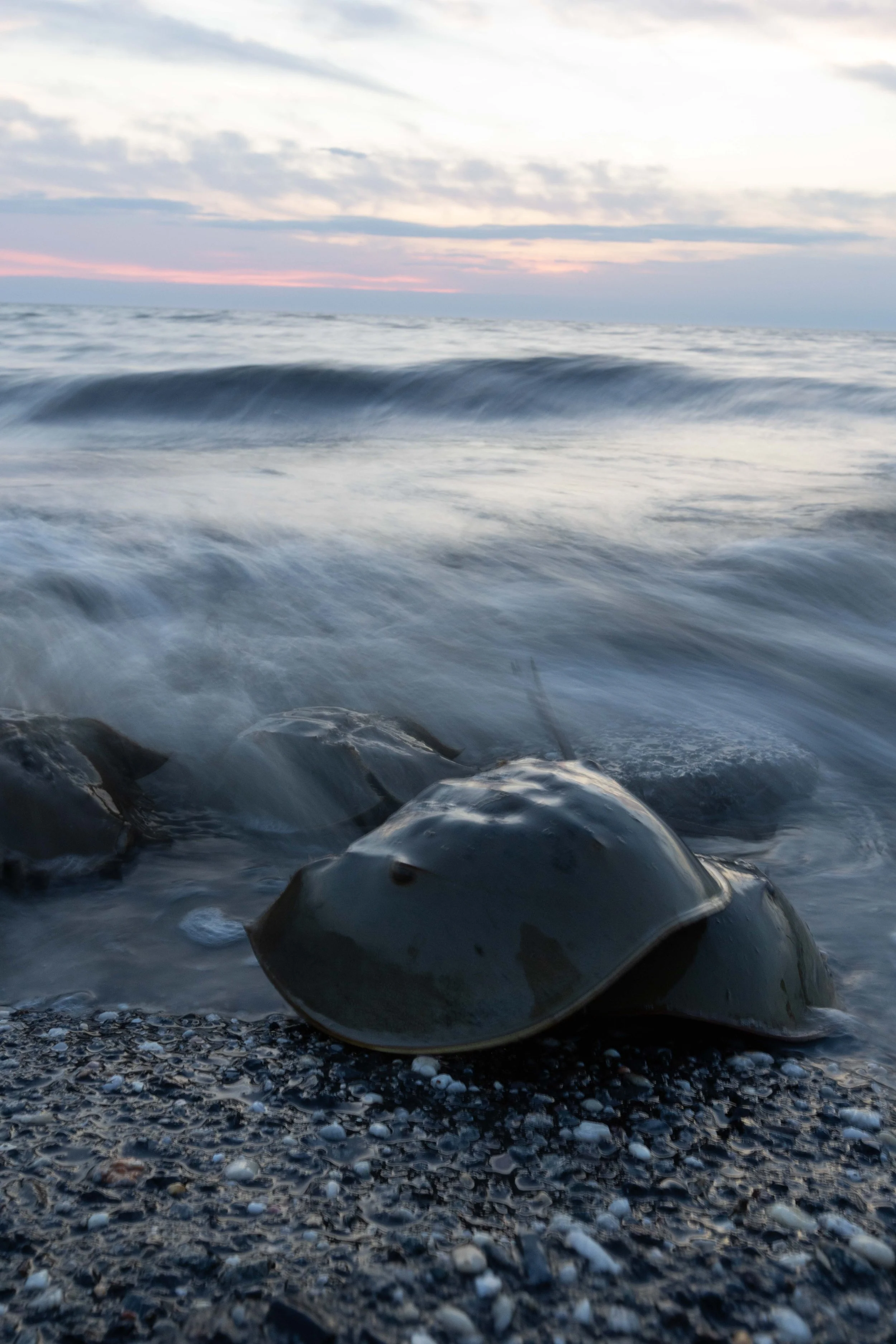
Photo courtesy of Susan Allen, Conservation Photographer @what.sue.seas
It was a night for learning. We were taught that the male crabs were usually smaller than the females. I was simultaneously surprised, yet not. Of course the queens would be large, yet why were they so hard to find? The beach was crawling with men…literally.
It turns out that the women dug themselves into the sand where they waited for males to fight over who would claim their backs; an experience that would label their identity for the rest of their scientific lives.
Even before lifting a crab, you could tell its age. For the adults that showed up to this ritual spawning, they fell into a category, not a specific number of years. They were deemed young, middle aged, or old. The number of barnacles on a crab’s back showed its maturity, how many nautical miles it had seen. A clean shell, most often belonged to the young men; a page at the beginning of a long life that could stretch into the 20’s. For females, in addition to the extra passengers, their backs also told another tale from the presence of scars. The more scrapes a shell had, the more rounds of mating she’d seen.
Per usual, females earn their scars for the greater good.
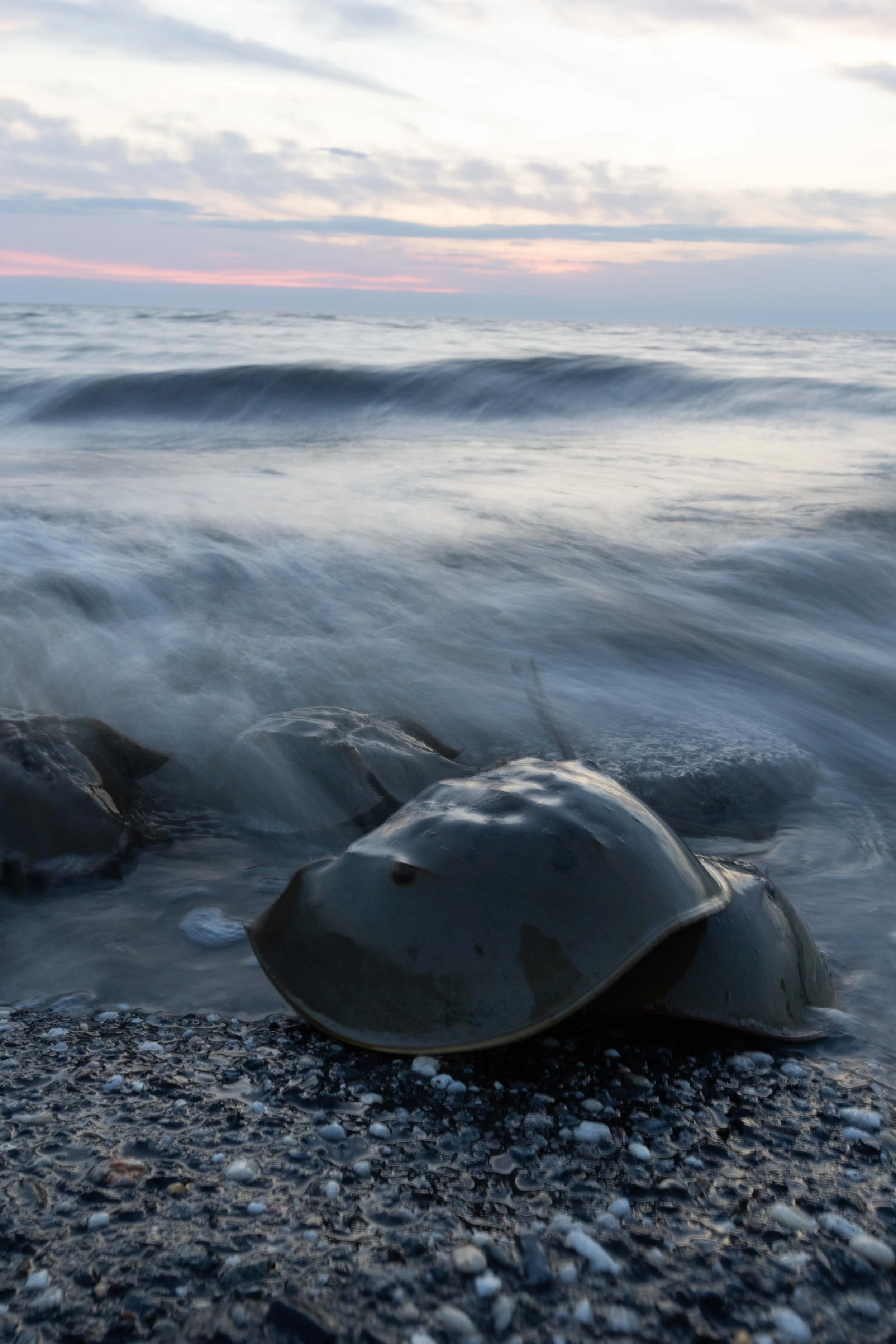
Handling the crabs redefined my experience of touch. Despite having seasoned hands, highly trained in tactile arts and sensitive to perception, I was a novice on these shores. Hard yet soft, wet, yet with no slip, light but sturdy; this creature was a crawling contradiction and proof of nature’s magnificence.
We were instructed to lift them properly from both sides of the shell to safely turn them over while avoiding the swordlike propeller of their tail.
I hesitated not wanting to disrupt them during their hunt, but we were there for science: to document who had showed up to the party, if they were a seasoned swinger, and, to tag a number of shells with tracking devices.
My team waited for me to plunge into the cold night water, to start our charting. When I grabbed my first, I apologized for keeping him from his goal, and turned him belly up for the headlamps. I flinched when I saw the legs underneath working closely near my fingers, six pairs of legs that looked more like a spider than a crab. Under the red light, we could see clearly this was a male based on his first claw looking like a boxing glove: He had come to fight for love.
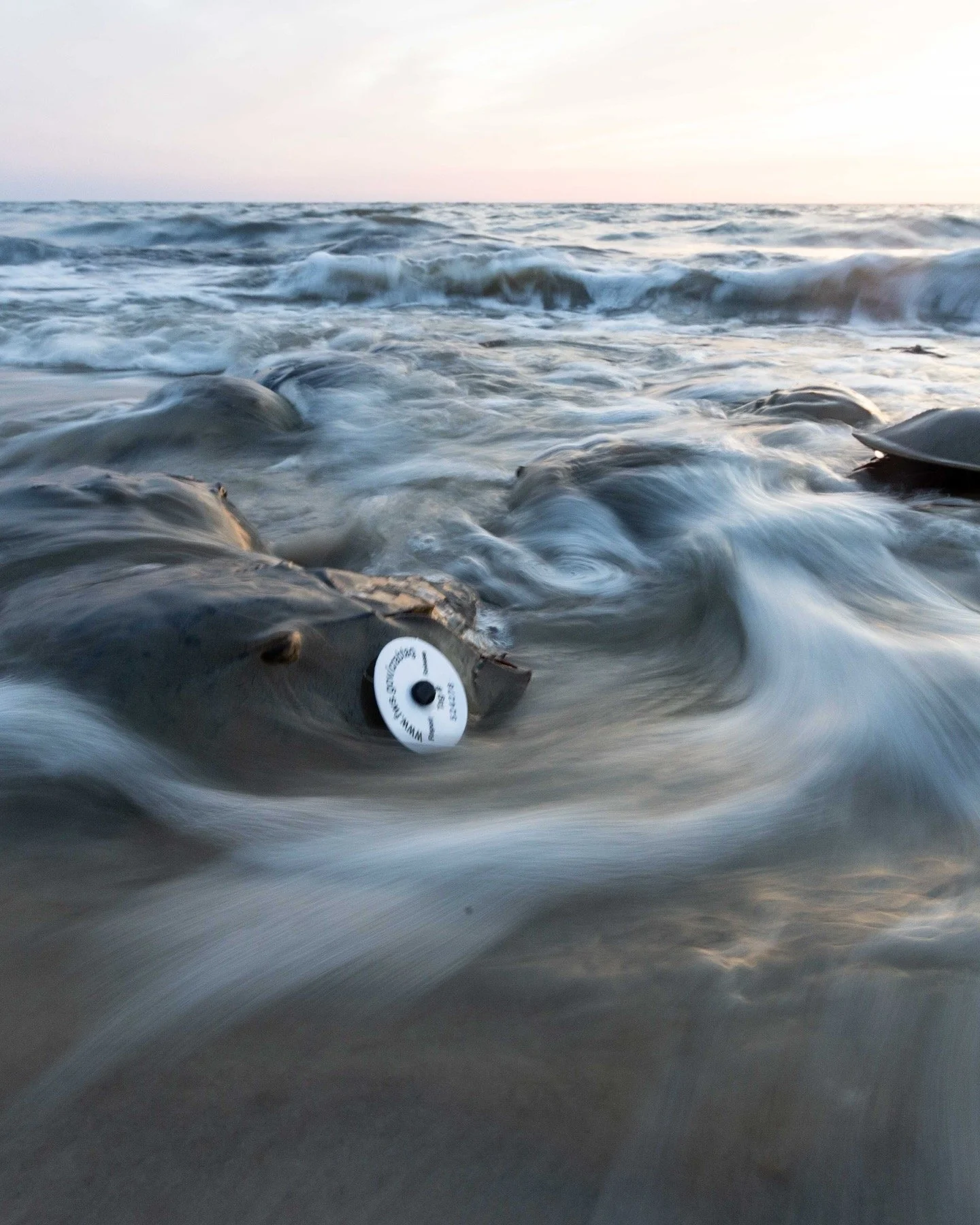
We judged age and then approached the sanitized power tools. Quickly and efficiently, I discovered the art of tagging a horseshoe crab shell and why speed was so important. For females who had come to spawn, tiny eggs immediately came out of the hole made for tagging.
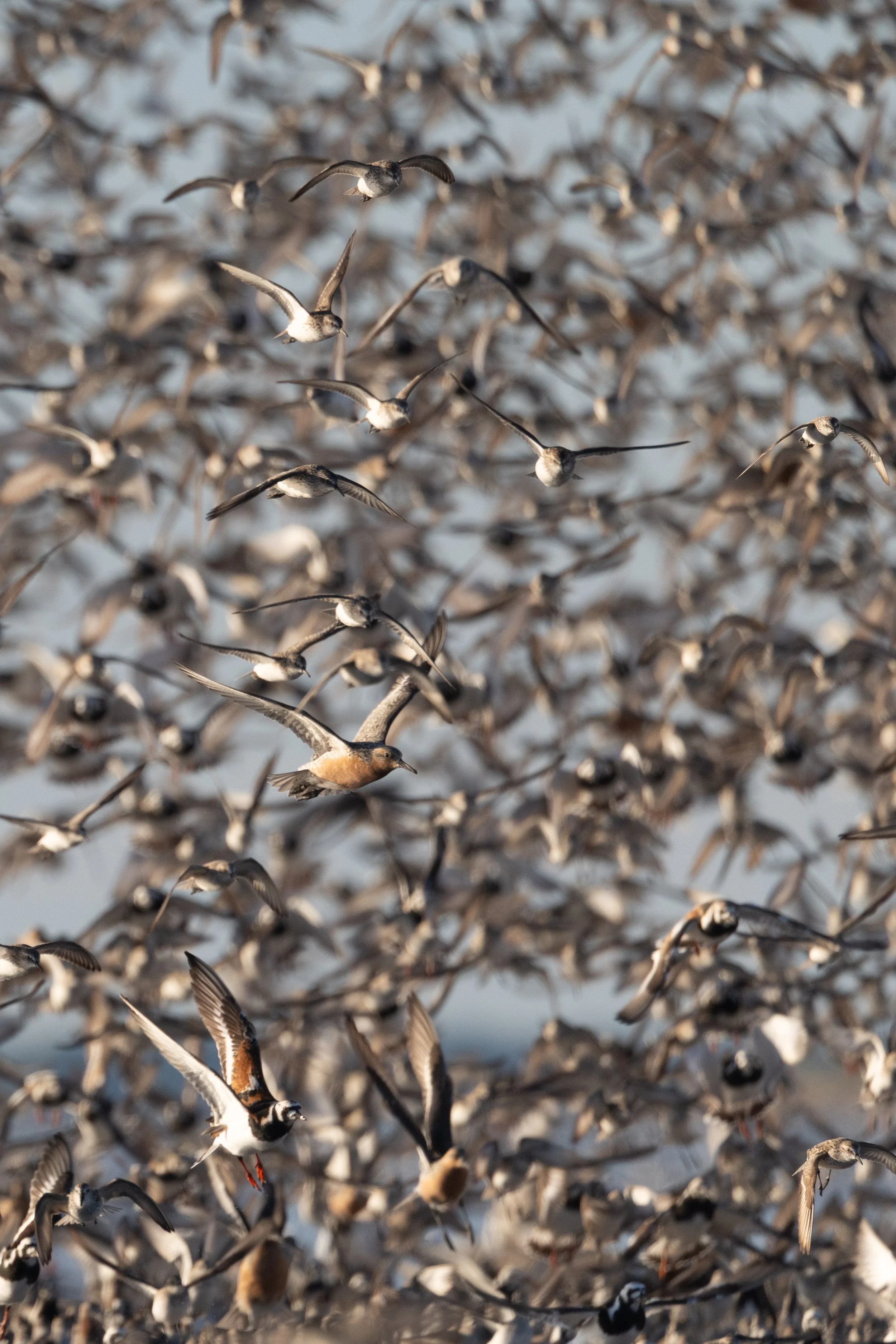
Precious and rare, the blue blood of this ancient species has been used (and abused) for decades in the medical world. It’s unique ability to clot in reaction to toxins ensures the sterile safety of vaccines, pharmaceuticals, and other medical devices. I’d rather all the eggs deposited that night go toward growing crabs and feeding the coastal birds.
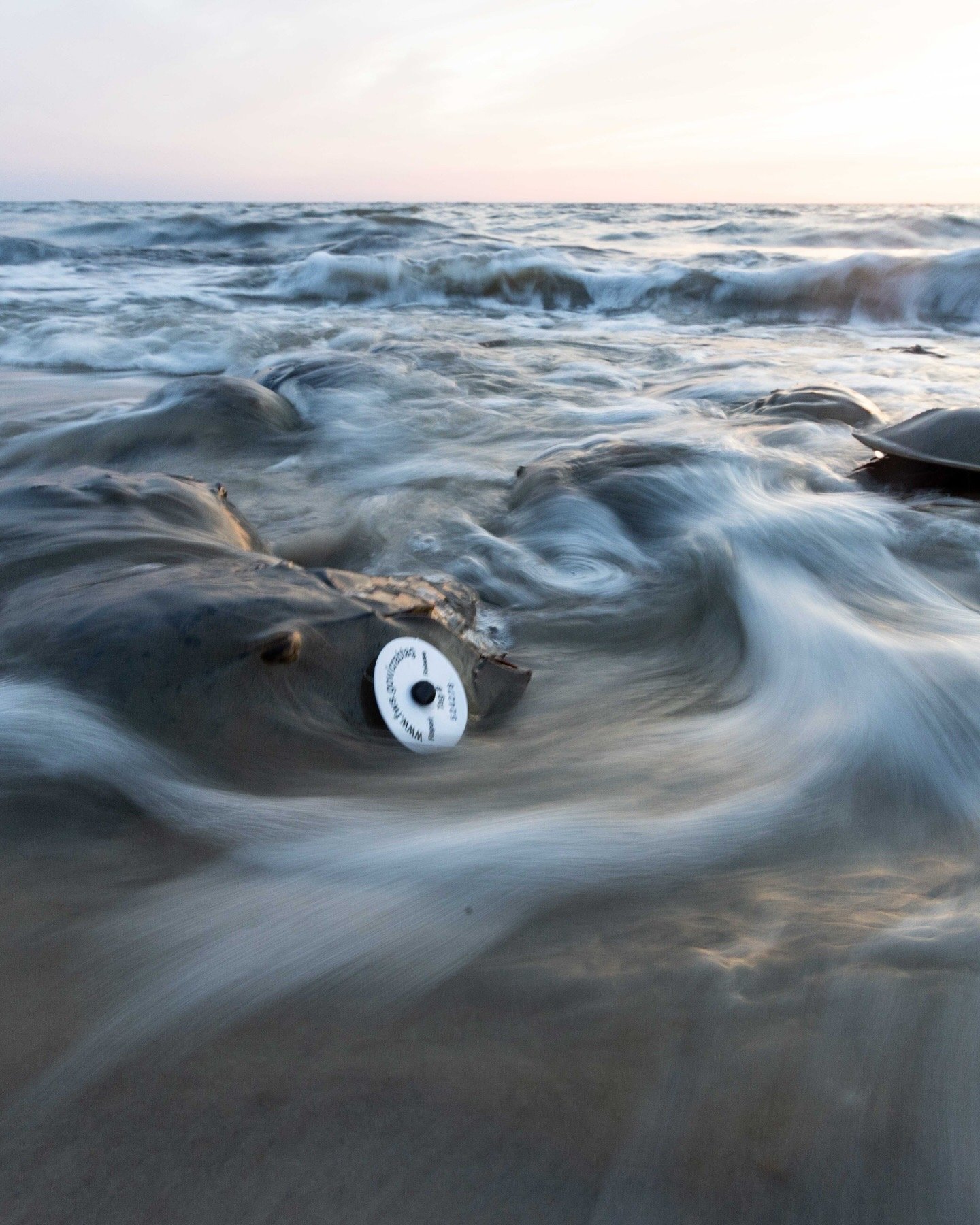
Photo courtesy of Susan Allen, Conservation Photographer @what.sue.seas
Another inconceivable number, hundreds of thousands to millions of horseshoe crabs were vacating in the area that month: I was tasked with recording the whereabouts of twenty of them. Outnumbered and seemingly insignificant in the presence of living fossils, I went home exhausted and full of questions.
I wondered about their vision, their senses…their instincts.
How could I become more synchronized in life? To let the sea become the answer?
At the time, I was four months pregnant and had never felt so connected to life’s potency, to the power of creation. Maybe the entire experience was heightened by my own mothering sensitivity, but to be able to write about it was such clarity, nearly a year later, speaks to its influence.
This week marks the one-year anniversary of this eye-opening night; another macro-cycle for humans caught observing a micro-cycle in the impressive lineage of this marvelous species.
After dark on Friday, I’ll be stepping out again with the conservancy who runs the volunteer groups to gape yet again at the masterful craftsmanship between sky and sea.
To learn more about this annual phenomenon, volunteer programs, proper handling of crabs, and where to report finding a tagged animal, please explore the following linked resources.
(Dr. Larry Nile’s Blog) https://www.arubewithaview.com/
(Crab Tag) https://www.fws.gov/crabtag/
(Bird Tag) http://www.bandedbirds.com/
(Email to Volunteer) https://www.fws.gov/refuge/supawna-meadows
(Handling) https://www.nj.com/cape-may-county/2022/06/give-a-horseshoe-crab-a-hand.html
About the Author:
Marina Mangano is a chiropractor and author living in the coastal region of Wildwood, New Jersey. Her professional writing revolves around the emotional manifestations of pain and reducing physical imbalances through movement. Her new book, Graveyard: Where Pain is Laid to Rest, is a guide to work on those topics. Her daily writings however, are inspired by her coastal surroundings, garden, and two children. Follow along on her platform @chiroyogaflow.
About the Photographer:
Susan Allen is a South Jersey based conservation photographer, photojournalist and surfer. She’s received photo awards from the National Wildlife Federation, New Jersey Monthly and the Flow Trip Magazine. Learn more: www.whatsueseas.com and follow @what.sue.seas for staying in tune with the tides. Find more of her photography below.